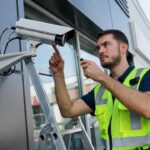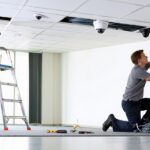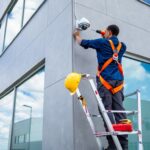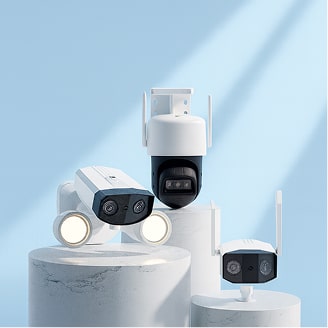
Weather doesn’t take a break, and neither should your security cameras. At Voltex Security, we work on outdoor IP Camera Repair almost daily—most of the time, weather plays a big role in the damage. In this blog, we’ll break down what goes wrong, what to look for, and how we fix it.
Table of Contents
- What Weather Does to Outdoor Security IP Cameras
- Why IP Ratings Matter
- Common Weather-Related Problems
- How We Troubleshoot at Voltex
- Repairs That Actually Work
- Tips to Avoid Weather Damage
- Final Thoughts
What Weather Does to Outdoor Security IP Cameras
Rain, heat, wind, and snow can wear down your cameras fast. We’ve seen water sneak into cables, heat cause picture glitches, and snow block views completely.
According to a source, extreme weather can reduce the lifespan of outdoor security cameras. Add wind-blown debris or heavy UV exposure, and it’s no wonder your outdoor cameras get cranky.
Why IP Ratings Matter
IP ratings tell you how well a camera stands up to dust and water. Here’s a quick snapshot:
| IP Rating | Dust Protection | Water Protection |
| IP54 | Some | Light splashes |
| IP66 | Full | Powerful jets (rain) |
| IP67 | Full | Temporary immersion |
We always recommend IP66 or better for outdoor setups. Cheaper models with IP54 might save money upfront—but they rarely last through more than a couple of winters.
Common Weather-Related Problems
Let’s look at what usually goes wrong:
- Rain causes short circuits or foggy lenses when seals wear out.
- Snow and ice freeze mechanical parts or block sensors.
- Heatwaves lead to distorted video, usually caused by overheating internal parts.
- High winds knock cameras loose or bend the brackets—especially on older mounts.
According to a report from Security Sales & Integration magazine, up to 40% of outdoor camera failures are weather-related.
How We Troubleshoot at Voltex
When a customer calls about a bad camera after a storm, here’s how we typically handle it:
- Visual check for cracks, water inside the dome, or loose wires.
- Test the power source, especially if it’s PoE (Power over Ethernet).
- Swap cables or move the camera to another working port to test.
- Dry out components, often just a sealed housing can save it.
We try these steps before suggesting full replacements—it saves time and money.
Repairs That Actually Work
Some fixes are quick. Others need a bit more elbow grease. Here’s what we often do:
- Resealing ports and gaskets using waterproof tape or silicone.
- Replacing lenses or domes that fogged or cracked.
- Swapping out connectors if water got in and corroded the terminals.
- Upgrading housings to metal for better wind resistance.
We’ve also worked with commercial clients who chose to install camera heaters to prevent freezing issues. For climates like ours in Texas, a good fan inside the camera housing also works wonders.
Tips to Avoid Weather Damage
You don’t need to wait for a thunderstorm to protect your gear. A few easy tricks:
- Mount cameras under roof eaves or shades.
- Keep cables off the ground and protected in conduit.
- Clean the camera lens once a month—dust traps moisture.
- Inspect seals every few months, especially after storms.
- Ask us about weatherproofing kits if your camera wasn’t built for tough conditions.
Keeping up with regular maintenance can prevent nearly 87% of system breakdowns. About 83% of CCTV issues happen because routine checks were skipped. When cared for properly, these systems often work well for 5 to 7 years, while neglected ones may fail in just 2 to 3 years. (Source)
Final Thoughts
Outdoor cameras are tough—but not invincible. At Voltex Security, we repair Security IP Cameras that get beat up by the elements, from blown connectors to fogged lenses. You don’t have to toss out your gear the minute a storm hits. Call us for a quick check-up or repair quote—we’ll let you know exactly what’s fixable.
People Also Ask
Q: What is IP camera repair?
A: It’s the process of fixing weather damage or internal issues in network-based security cameras.
Q: How do I know if my outdoor camera is weatherproof?
A: Check the IP rating—IP66 or higher is best for outdoor use.
Q: Can hot weather ruin my security IP cameras?
A: Yes. High temperatures can damage internal parts or cause performance issues.
Q: How do I protect outdoor cameras in winter?
A: Use sealed housings and check for heating options if snow is frequent.
Q: Is it better to repair a camera or replace it with a new one?
A: Many minor issues can be repaired affordably. We can help you decide.
Q: How much does IP camera repair usually cost?
A: Simple repairs typically cost between $75 and $250, based on what needs to be fixed.
Need help with your outdoor camera? At Voltex Security, we don’t just install cameras—we fix them too. Let us know what’s not working, and we’ll get it back on track.